AI photo production for real estate listings — staging, cleanup, twilight and exterior work, built around the property rather than a prompt box.

One listing is an empty living room, four angles of that room which have to agree with each other, a driveway that photographs badly in March, an editing pass, a disclosure rule, and a deadline the agent is already asking about.
Single-image tools treat every upload as an isolated experiment: one photo in, one detached result out, and the disclosure left to whoever downloads it. Nothing holds the property together, so consistency across a set — and compliance at the end of it — falls back on the photographer by hand.
Furnio makes the property the working unit. Sources, jobs, settings, results, disclosure and delivery all hang off one listing, and the original photograph stays intact beside the result as the reference for review.
Each workflow declares what it may change and what it is designed to preserve. Camera position, architecture and permanent finishes stay out of scope unless the customer explicitly selects a supported change.

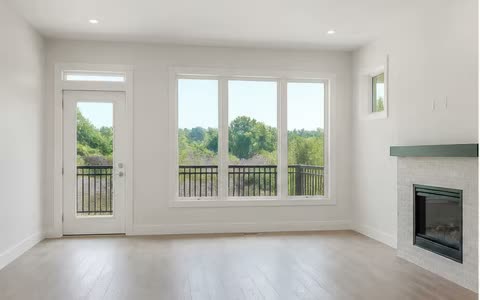
BeforeAfterVirtual stagingFurnish an empty room while the camera angle, architecture, materials and visible light stay as photographed.

BeforeAfterMatched multi-viewCarry one approved furniture story across two to four angles of the same room.

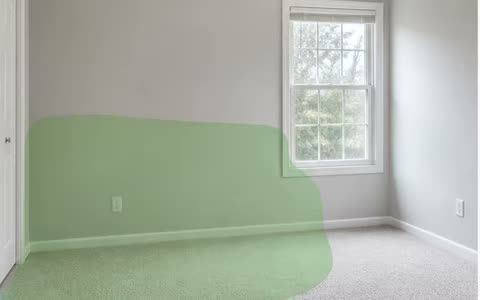
BeforeAfterItem removalRemove selected furniture, clutter, cords and temporary distractions using a painted mask.

BeforeAfterCustom stagingPaint a region and describe what should be added, replaced or adjusted inside it.

BeforeAfterVirtual twilightPink twilight, blue hour or natural dusk, with believable window and exterior lighting.

BeforeAfterWinter to summerTurn a winter exterior into a believable summer one without redesigning the property.

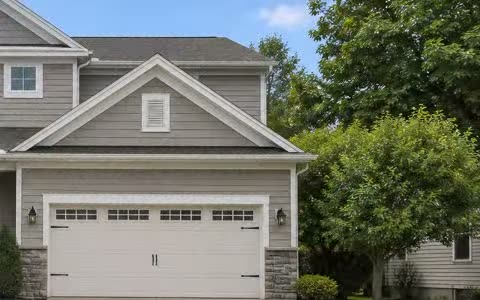
BeforeAfterExterior enhancementDriveway, lawn, sky and leaf cleanup, selectable separately or applied together.
Every result comes back as a reviewable JPEG attached to its source, and a person approves it before it reaches a listing.
All seven previews are product demonstrations published by Furnio.The hard part of staging is not one room — it is four photographs of one room that have to look like the same house.
The “Virtually Staged” label starts switched on, and stays entirely under the customer's control.
VIRTUALLY STAGEDFive credits produce one finished standard image. The full cost is confirmed before anything uploads.
Photographers, agents and brokerages want different things from the same set of photographs. The workflows, the credit gate and the disclosure controls stay identical across all three.
A production API, signed webhooks and a remote MCP server, all resolving to the same account, entitlements, ownership checks and credit ledger — so the integration path never becomes a billing loophole.
Zero-credit sandbox calls return deterministic fixtures, dummy result images and simulated failures on separate test credentials. Nothing can consume a production credit until an integration is promoted.
Developer access is approved per application and attached to the reviewed email address — Furnio never emails or assigns a password.
A listing has several views, more than one service applied to it, and more than one person who needs to understand what changed. Furnio organises that whole lifecycle instead of treating every upload as an isolated experiment.
The staged label starts on and is composited in the browser at download. Making honesty the default costs the customer nothing; making it optional costs the industry its credibility.
Source and result are stored as separate objects. The photograph the camera actually made stays available beside the result, as the reference a person reviews against.
Furnio publishes a written evidence standard: no invented customers, no unsourced outcomes. A named customer story requires documented permission and the customer's approval of the final wording.
Credits, plans, the seven workflows, the developer platform and the full trust centre are all on its own site.